The Enigma of Tartaria: A Brief Historical Overview
The concept of Tartaria refers to a vast region purportedly situated in Asia and Eastern Europe, which was populated by a civilization that remains shrouded in mystery. Historical references to Tartaria can be traced back to ancient maps and texts, indicating that this enigmatic land was recognized by explorers and scholars from varying cultures. Its portrayal on these maps often includes an expansive area populated by Tartars, a group of Turkic-speaking nomadic people known to have played a significant role in Eurasian history.
The myths surrounding Tartaria have evolved over centuries, often amplified by alternative historical narratives that suggest this civilization possessed advanced technology and intricate architecture, which were erased from mainstream history. Advocates of these theories assert that the architectural wonders commonly attributed to European origins may be remnants of Tartarian influence. As a result, numerous discussions have emerged within modern historical discourse, challenging traditional narratives and emphasizing Tartaria’s significance in a broader cultural context.
Architectural Marvels: Evidence of Tartarian Influence
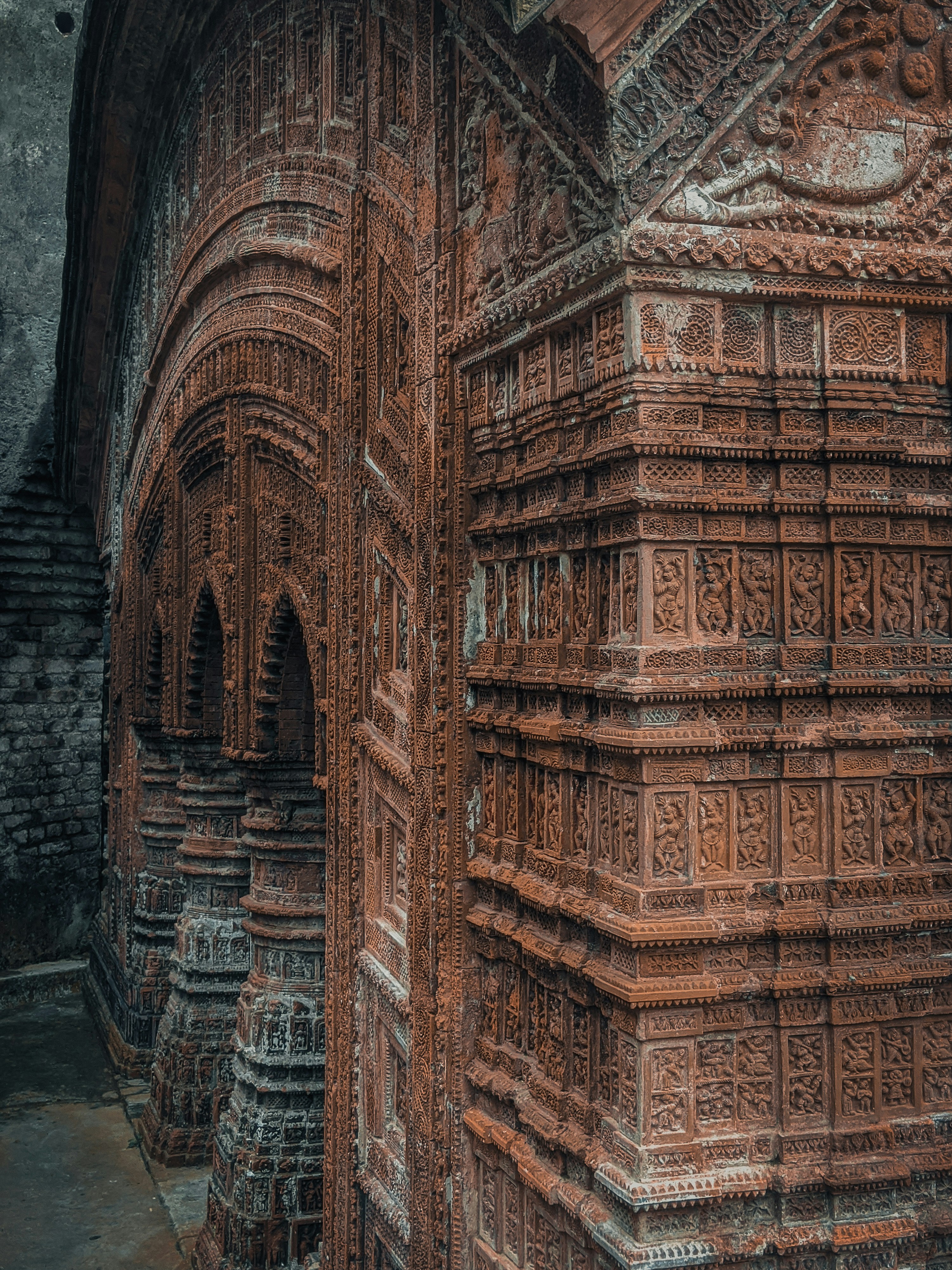
The legacy of Tartaria is intricately woven into the fabric of numerous architectural wonders across the globe. These structures often present characteristics that defy the conventional understanding of historical architectural evolution, suggesting a level of sophistication and mastery in design that intersects with the lore of Tartaria. One of the most notable examples includes grandiose structures adorned with intricate details and expansive designs that reflect a unique fusion of aesthetics and functionality.
Among the most frequently cited examples is the architecture of the Great Wall of China, not merely a defensive barrier but a complex system showcasing advanced engineering capabilities. Scholars argue that the materials and techniques utilized in its construction could possess parallels to those attributed to Tartarian influences, hinting at the possibility of a more interconnected ancient world than is commonly perceived. Such structures often feature elements like towering arches, elaborate facades, and extensive use of decorative motifs, which are reminiscent of the architectural style associated with the fabled Tartarian civilization.
Additionally, the presence of architectural anomalies, such as buildings exhibiting capped spires, golden domes, and vaulted ceilings, is prevalent in diverse locations, each resonating with stories of an advanced civilization. Cities like St. Petersburg and New Orleans display an eclectic mix of styles that some attribute to Tartarian design philosophies. These architectural marvels not only showcase a rich aesthetic harmony but also challenge the conventional chronology of architectural development.
Furthermore, the exploration of unique construction techniques raises questions about the technological advancements available to these ancient builders. The use of stone blocks fit with remarkable precision and the application of mortars that have stood the test of time suggest practices beyond the capabilities attributed to the societies recognized by mainstream historians. As we navigate these architectural wonders, it becomes increasingly crucial to consider the narrative of Tartaria and its potential influence on our understanding of history.
Advanced Technology and Machinery: The Tale of Tartarian Ingenuity
The notion of Tartaria encompasses a fascinating historical narrative that points to a civilization purportedly rich in technological advancements and mechanical prowess. Various claims suggest that the inhabitants of Tartaria were engaged in practices and inventions that were significantly ahead of their time, drawing parallels with some of the most notable engineering feats in documented history. Among the most intriguing elements of this narrative are the artifacts and machinery attributed to Tartaria, which various researchers and enthusiasts have sought to analyze.
Some of the artifacts linked to Tartarian civilization include intricate constructions and advanced machinery, suggesting a sophisticated understanding of engineering principles. The considerable complexity observed in these artifacts implies a wide-ranging knowledge base, potentially utilizing materials and methods that have since been lost or forgotten. Comparisons have been made with similar architectural wonders and inventions from ancient civilizations, indicating that the technological prowess of the Tartarians may have had significant commonalities with the innovations of the Egyptians, Greeks, and others.
The exploration of Tartarian technology also raises intriguing questions regarding the implications behind these discoveries. If these artifacts are verifiable, they challenge the established chronology of technological development throughout human history. Furthermore, this narrative encourages a re-examination of historical narratives that have dominated academia and public perception, as it posits that advanced technological societies may have existed well before the widely accepted timelines of modern civilization.
Yet, the interpretations of these findings necessitate a cautious approach. It is essential to balance skepticism with an open mind, considering the validity and original context of the artifacts associated with Tartaria. Ultimately, delving into the purported technological marvels of Tartaria can provide a richer understanding of mankind’s historical ingenuity and the extent to which diverse civilizations have contributed to the evolution of technology.
The Legacy of Tartaria: Truth or Myth?
The notion of Tartaria as a once-great civilization continues to permeate discussions surrounding architectural wonders and historical truth. The architectural marvels attributed to Tartaria, such as intricate buildings with elaborate designs, raise questions about the technological capabilities of past civilizations. Many proponents assert that these structures exhibit advanced construction techniques that remain unexplained within mainstream historical narratives. Such assertions compel both enthusiasts and historians alike to re-evaluate established timelines of human history and technological development.
However, while the beauty and complexity of these structures are undeniable, contrasting narratives challenge the veracity of the existence of Tartaria as a unified civilization. Critics suggest that the backlash against conventional history often stems from misinterpretations or selective readings of historical documents. They argue that the amalgamation of various cultures and societies over time lends itself to the romanticization of locations rather than the acknowledgment of a singular lost civilization. The debate illustrates how history can sometimes be intricately woven with myth, wherein context is often lost amidst speculation.
Reflecting on the evidence, it becomes abundantly clear that the fascination with Tartaria fosters an environment ripe for curiosity and inquiry. The parallel exploration of its architectural achievements reveals deeper questions about human ingenuity, cultural exchange, and the evolution of knowledge. Enthusiasts posit that uncovering the truths behind Tartaria can offer significant insights into our modern understanding of civilization itself. Therefore, this ongoing dialogue encourages all to delve deeper into what lies beneath the surface of historical records, emphasizing the importance of critical thinking as we navigate the complexities of historical legacies.